
When It Is Time to Replace Your Fence Instead of Repairing It
A fence does a lot of quiet work. It keeps the dog in, marks the property line and gives the backyard a finished look. So when it starts to lean, sag or lose boards, the question comes up fast. Repair it, or start over? Here is how to think it through.
Signs Your Fence Is Nearing the End
Some problems are cosmetic and some point to the end of the road. Leaning posts that stay leaning after a reset usually mean the wood or the concrete at the base has given out. Rot at the bottom of posts and rails, boards that crumble when you press them, and gates that drag or will not latch are all signs the structure is tired. Rust that has eaten through a chain link post, or vinyl panels that have cracked and yellowed, are harder to patch than to replace.
When a Repair Still Makes Sense
If the posts are solid and only a few boards are damaged, a repair is the smarter call. A gate that needs new hinges, a span of pickets knocked loose by a fallen branch, or a section of chain link bent by a car all fall into that group. The test is simple. When the frame is sound, fixing the surface usually holds. When the frame is the problem, patching it just moves the same problem down the line.
What Fence Removal Involves
Taking out an old fence is more than pulling boards. Posts are usually set in concrete, so they have to be dug out or pulled, and the holes have to be dealt with before anything new goes in. Fence panels come down in sections, which keeps the yard and the neighbors property safe. Old materials are sorted as they come out, because wood, metal and vinyl go different ways.
Haul-Away and Cleanup
Haul-away is the part most homeowners forget to ask about. Old fence wood, concrete and metal take up real space, and leaving it stacked in the yard is not a finished job. Ask up front whether removal and disposal are part of the estimate, and where the material ends up. A clean site is the difference between a project that is done and one that is almost done.
Preparing the Ground for a New Fence
Once the old fence is out, the ground tells you what the next fence needs. A wobbly old line often means the soil holds water. Posts that shifted downhill point to a slope that has to be handled a different way. This is also the moment to walk the line with the new fence in mind. Where should the gate go, do you want wider access for a trailer, and does the new line need to move over to clear a tree?
Choosing the Right Replacement
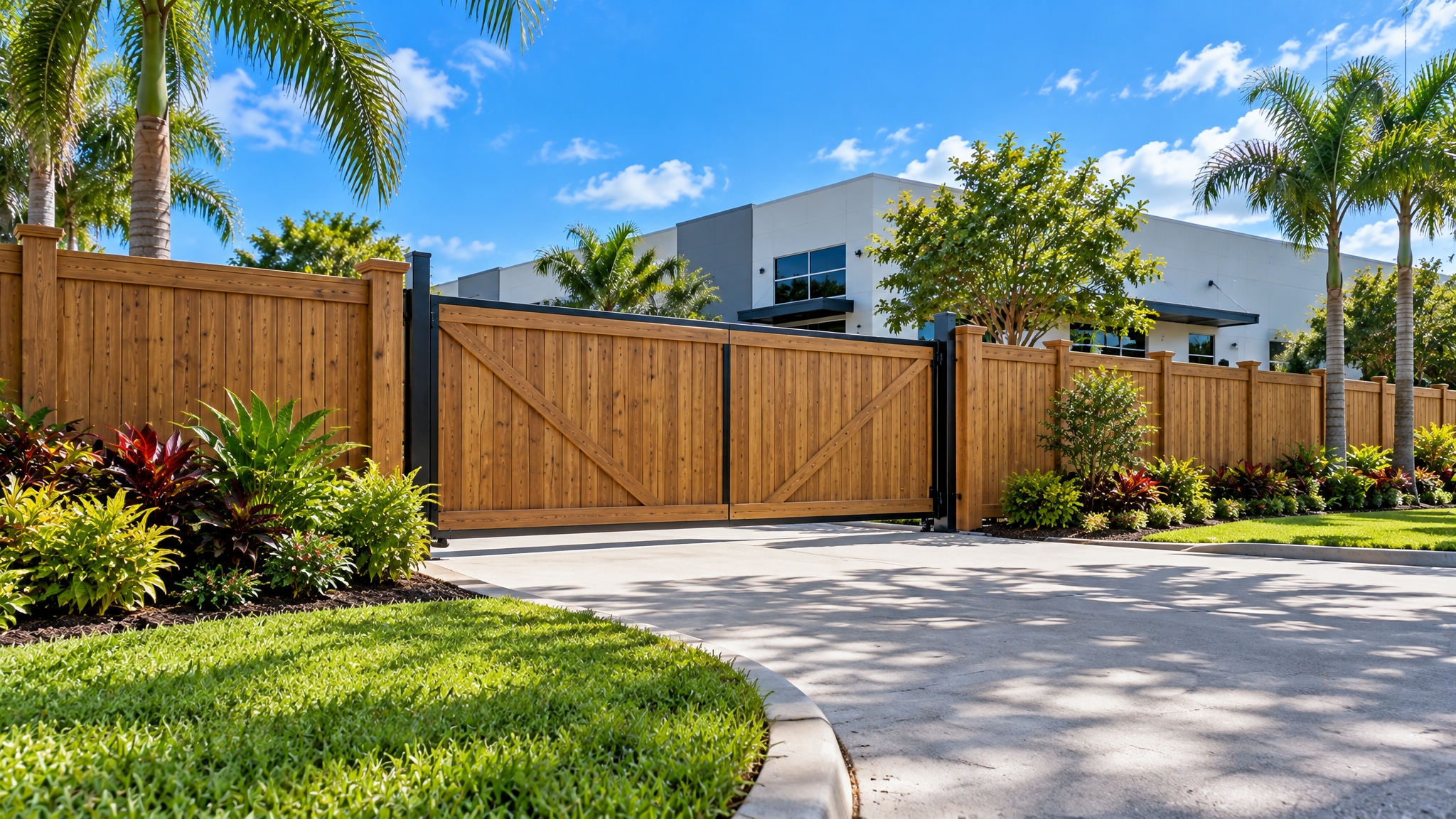
If the old fence was wood and you are tired of the upkeep, vinyl or aluminum may suit the yard better. If the fence is mainly for the dog or for marking the boundary, chain link does the job and stays out of the way. If privacy is the point, a taller wood or vinyl privacy fence is the direct answer. A replacement is also your chance to fix what you did not love the first time, whether that was the gate placement or the height.
Planning the Project With a Local Fence Company
A good local crew measures the actual line, checks the ground and talks through materials before anything is ordered. Photos sent by text rarely show the slope, the soil or the room a truck needs, and those are what decide the job. Around Orlando, yards in Oviedo, Winter Park, Maitland and Longwood run the range from flat lots to wooded, sloped back yards, so the plan should match the yard rather than a standard layout.
If the old fence is on its last legs, call Discount Fence of Orlando at 407-612-6200 for a free on-site estimate.
Comments