
Staining and Sealing a Wood Fence in Florida Weather
A wood fence in Florida lives a hard life. Weeks of strong sun, sudden afternoon storms and heavy humidity all work on it at the same time. Staining and sealing is how you push back, and knowing what you are looking at helps you decide when the fence needs it.
Why Wood Fences Age Faster Here
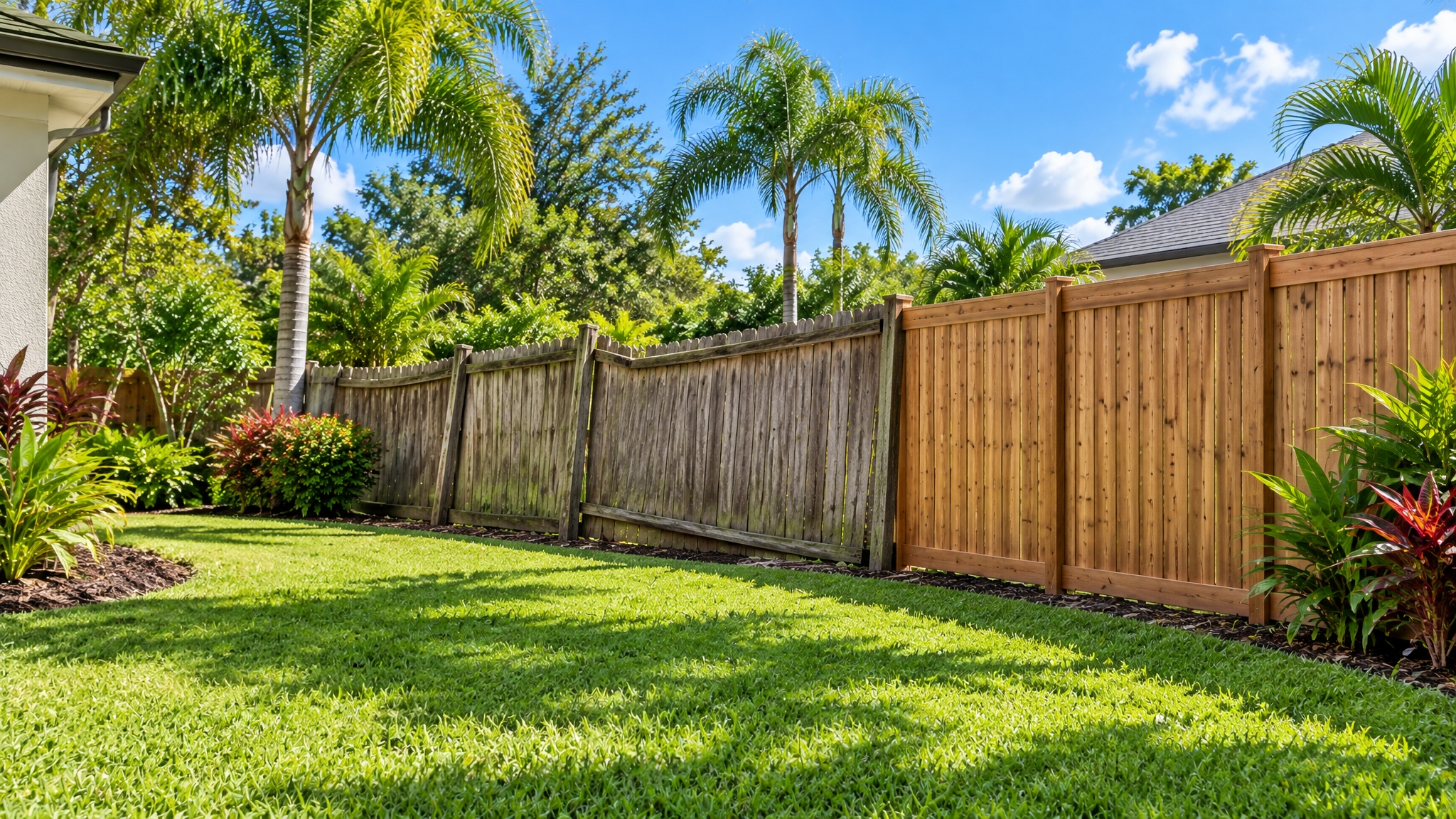
Wood moves as it takes on and gives off moisture, and in Central Florida there is plenty of both. Sun bakes the surface and drives out the oils that keep boards flexible. Rain and humidity push moisture back in. That cycle over a few seasons is what turns a warm brown fence gray, dry and rough to the touch.
What Staining and Sealing Actually Do
Sealer is the barrier. It slows how fast water soaks into the wood, which is what helps keep boards from swelling, cracking and growing mildew. Stain does that and adds color back, and some products do both. Neither one is a coating you apply once and forget, since both wear with the weather like anything else left outside.
Signs It Is Time to Look at the Fence
No single schedule fits every yard, so go by what the fence is telling you. Color that has gone gray or chalky, water that no longer beads on the surface, splintered or fuzzy board faces, and dark streaks or green patches that point to mildew all say the finish has given what it can. A simple test is to splash a little water on a board and watch. If it soaks in right away, the finish is thin.
Sun, Rain and Humidity: What Each One Does
The sunny side of a fence fades first, which is why one side of a yard can look older than the other. Rain drives water into the end grain at the top of boards and into the joints, where it sits. Humidity keeps the whole fence damp for longer after a storm, and that is the condition mildew likes. This mix is why a Florida wood fence wants attention more often than the same fence in a drier climate.
What to Look for in the Work
A good job starts with a clean, dry fence. Dirt, mildew and any old loose finish have to come off first, or the new coat sits on top of trouble. Boards need time to dry after washing, and the wood should be dry to the touch before anything goes on. Edges, end grain and the tops of boards deserve the same care as the wide faces, since that is where water gets in. A fence company in Orlando that works with wood every week will spot the thin spots before a coat goes over them.
Planning Around the Weather
Florida weather sets the calendar here. Rain soon after application can undo the work, so the timing is worth watching rather than booking and forgetting. Heat matters too, because a fence in full afternoon sun behaves differently from one in shade, and the product you choose should suit the condition of the wood.
Keeping the Fence in Shape Between Finishes
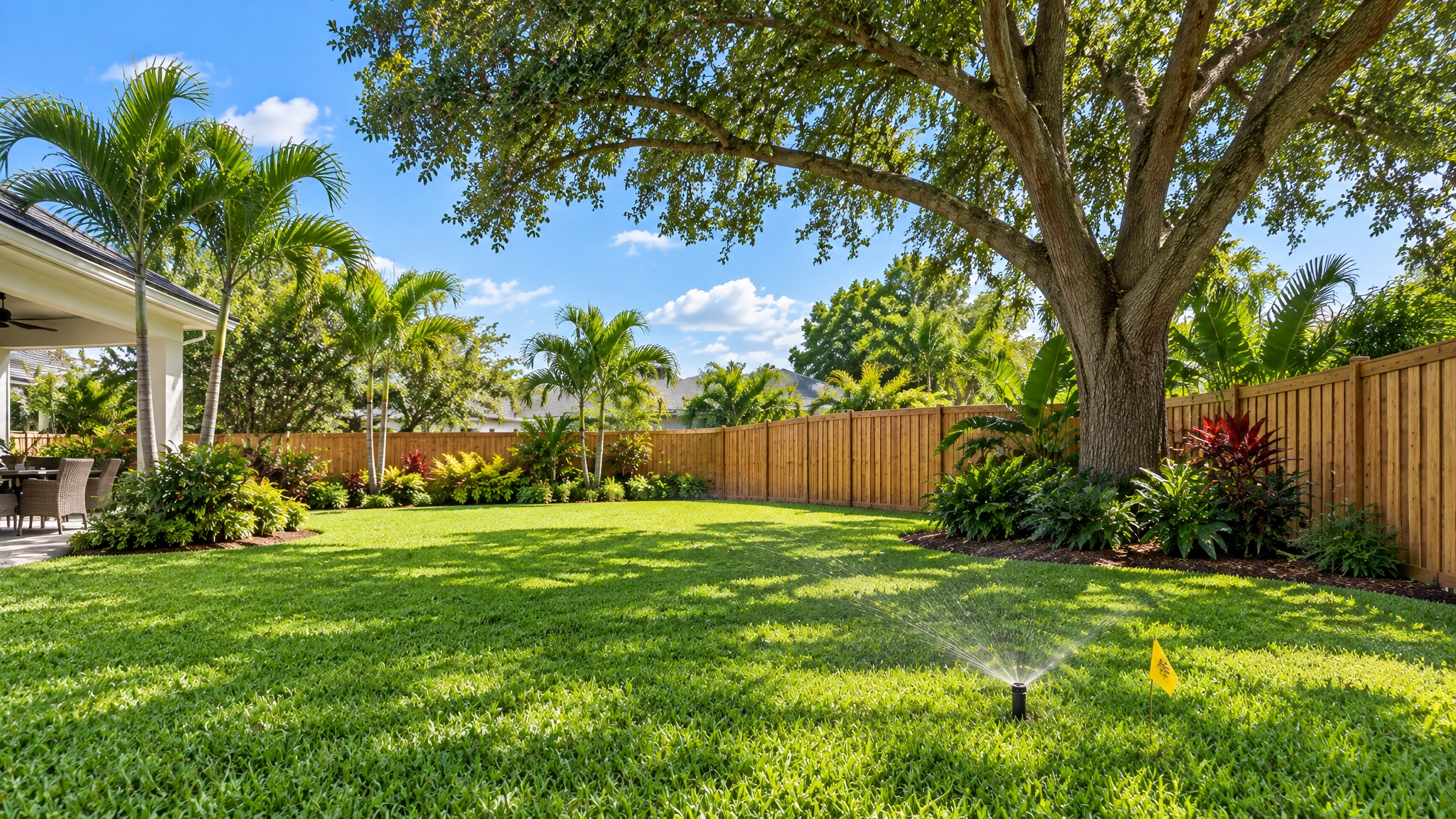
Between coats, small habits help. Wash off dirt and mildew when you notice it, keep sprinklers from spraying the fence directly, and clear plants that hold moisture against the boards. Trim back growth so air can move around the wood. A fence that is looked after holds its finish longer and looks better the whole time in between.
Want your wood fence looking its best again? Call Discount Fence of Orlando at 407-612-6200 for a free on-site estimate.
Comments