
Understanding Different Types of Fence Materials
Choosing the right fence for your property can feel overwhelming. There are so many options out there, each with its own benefits and drawbacks. But don’t worry - I’m here to help you break down the most common types of fence materials. Whether you want privacy, security, or just a stylish boundary, understanding your options will make the decision easier.
Let’s dive into the world of fencing and explore what each material offers. By the end, you’ll have a clear idea of what fits your needs and budget.
Exploring Popular Types of Fence Materials
When it comes to fencing, the material you pick affects everything from durability to maintenance and cost. Here are some of the most popular types of fence materials you’ll encounter:
Wood Fencing
Wood is a classic choice that offers natural beauty and versatility. You can stain or paint it any color, and it fits well with many home styles. Common wood types include cedar, pine, and redwood.
Pros: Attractive, customizable, good for privacy.
Cons: Requires regular maintenance like staining or sealing to prevent rot and insect damage.
Best for: Homeowners who want a warm, traditional look and don’t mind upkeep.
Vinyl Fencing
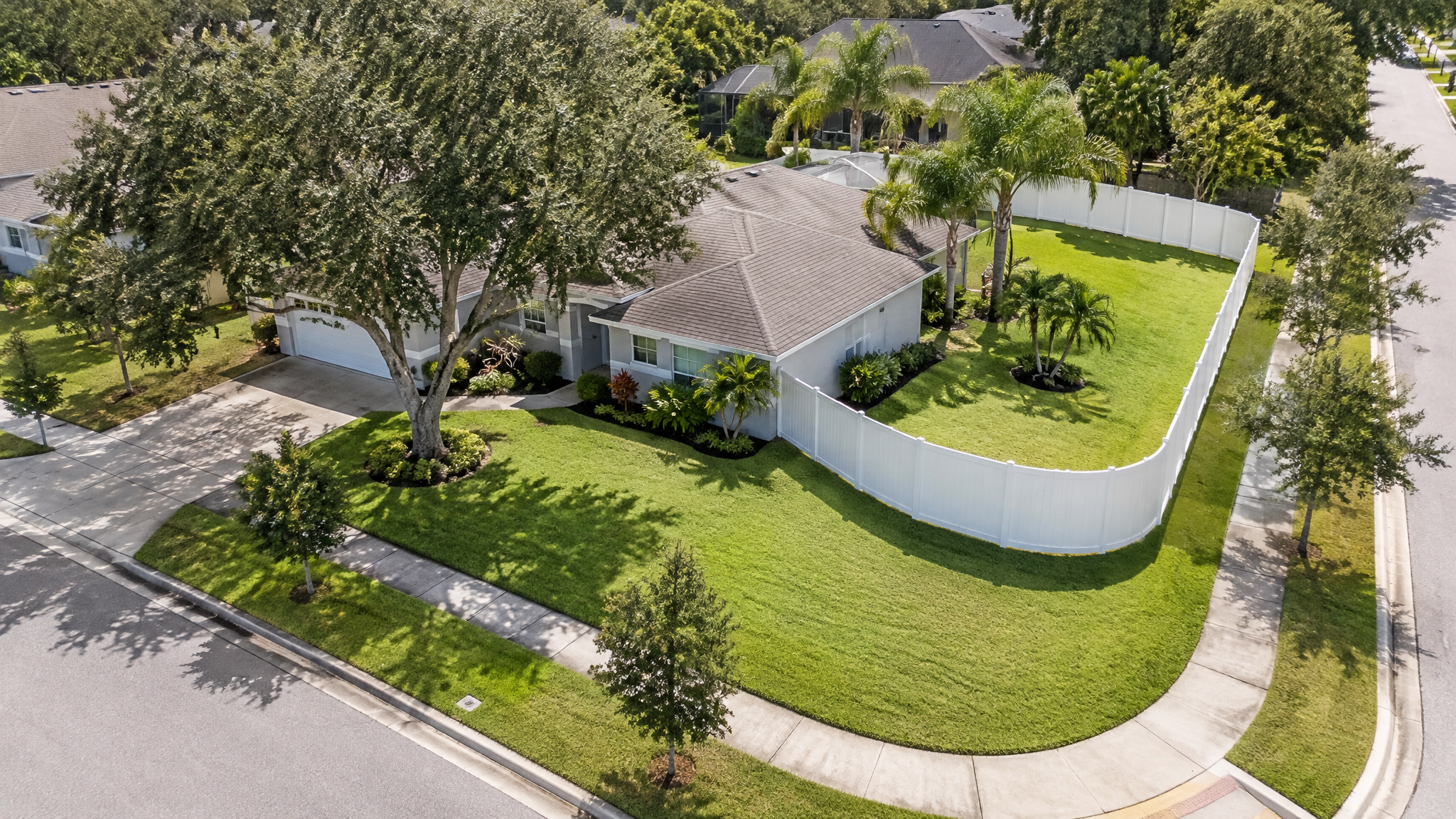
Vinyl fences are made from PVC and have grown in popularity because they look clean and require little maintenance.
Pros: Durable, weather-resistant, easy to clean, and won’t warp or rot.
Cons: Can be more expensive upfront, limited color options.
Best for: Those who want a low-maintenance fence that lasts for years.
Aluminum Fencing
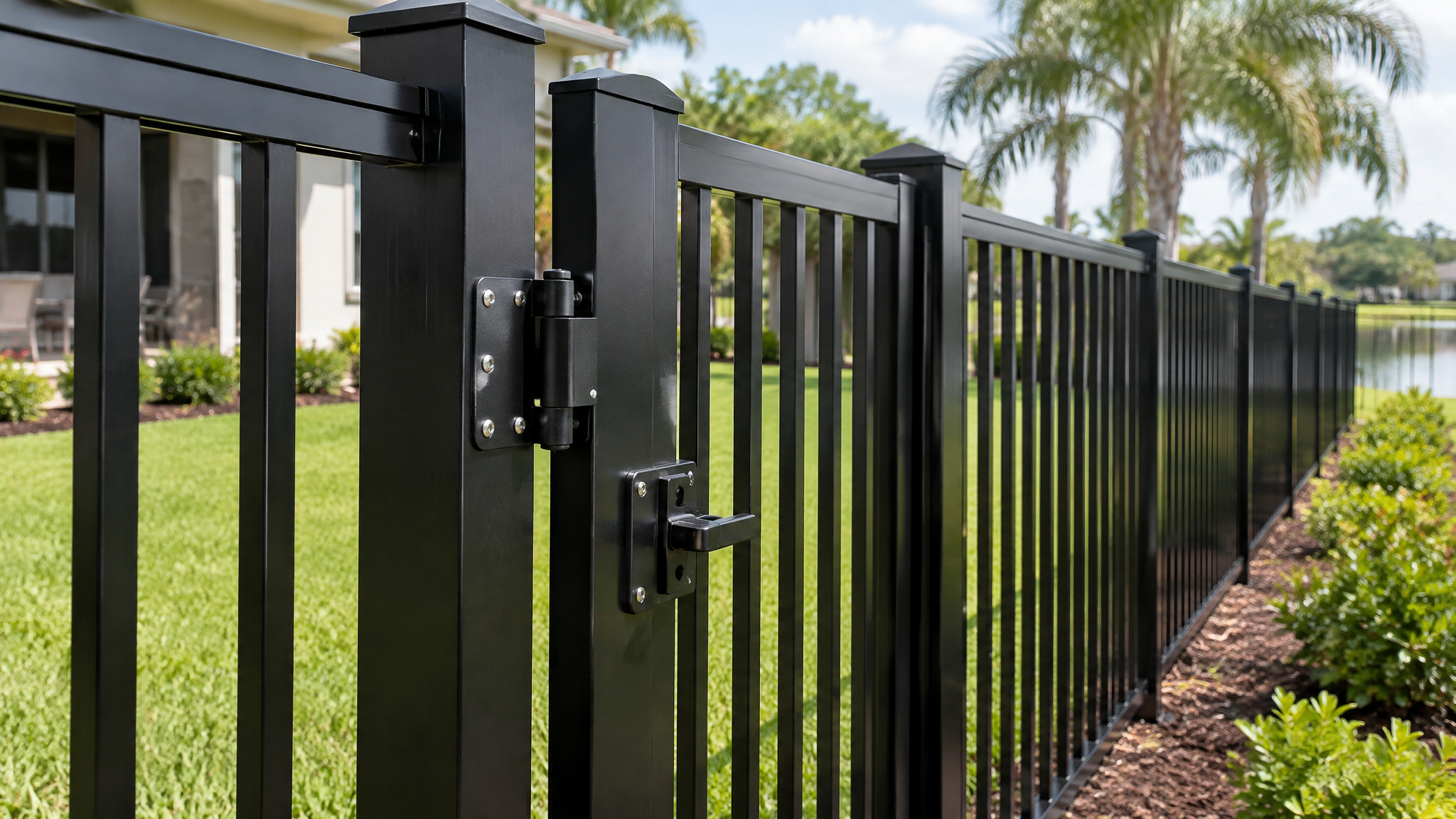
Aluminum fences mimic the look of wrought iron but are lighter and more affordable.
Pros: Rust-resistant, lightweight, low maintenance, and good for decorative purposes.
Cons: Not ideal for privacy since it’s mostly open design.
Best for: Decorative fencing around pools or gardens.
Chain Link Fencing
Chain link is a practical and budget-friendly option, especially for security.
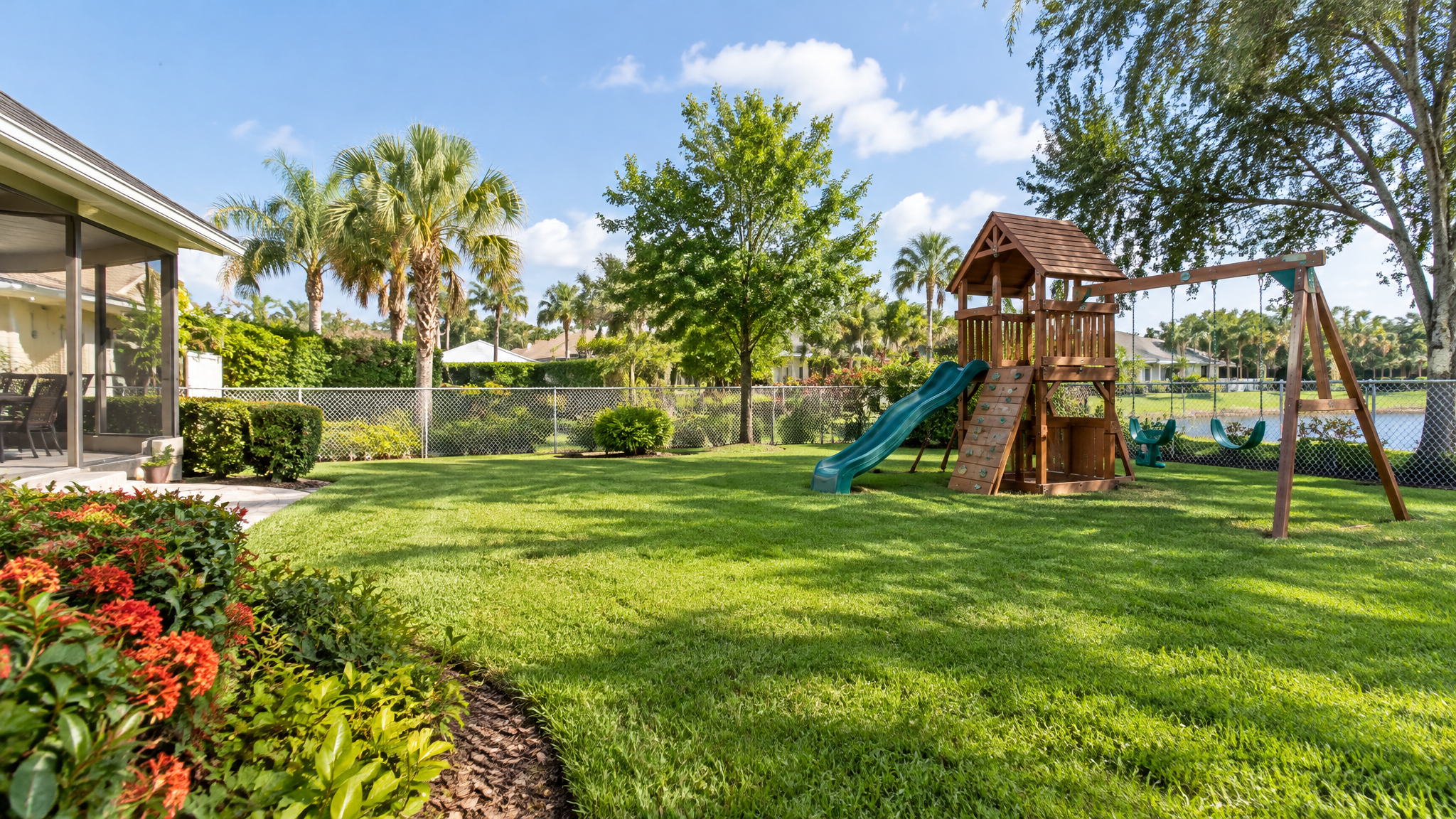
Pros: Affordable, durable, easy to install.
Cons: Offers little privacy and can look industrial.
Best for: Securing commercial properties or large yards where visibility is needed.
Wrought Iron Fencing
Wrought iron is known for its strength and classic style.
Pros: Extremely durable, elegant, adds value to property.
Cons: Expensive and requires occasional rust prevention.
Best for: High-end homes or commercial properties wanting a stately look.
What are some affordable fencing options?
If you’re watching your budget, there are still plenty of good choices that won’t break the bank.
Chain Link: As mentioned, chain link fences are one of the most affordable options. They’re great for security and can be installed quickly.
Wood: While some wood types can be pricey, pine or spruce are usually budget-friendly. Just remember you’ll need to maintain them.
Vinyl: Though vinyl fences cost more upfront, they save money over time because they don’t need painting or repairs.
Composite: Made from recycled wood and plastic, composite fences offer durability and low maintenance at a moderate price.
When considering affordability, think about the long-term costs too. A cheap fence that needs constant repairs might end up costing more than a pricier, durable option.
How to Choose the Right Fence Material for Your Property
Picking the right fence material depends on several factors. Here’s what I recommend you consider:
Purpose: Are you looking for privacy, security, decoration, or to keep pets and kids safe?
Climate: Central Florida’s weather means you want materials that resist humidity, sun damage, and pests.
Maintenance: How much time and effort do you want to spend on upkeep?
Budget: Factor in installation, materials, and future maintenance costs.
Style: Choose a fence that complements your home’s architecture and landscaping.
For example, if you want a private backyard fence that looks natural, wood might be your best bet. But if you want a low-maintenance option that stands up to Florida’s weather, vinyl or aluminum could be smarter choices.
Benefits of Professional Fence Installation
Installing a fence might seem like a DIY project, but there are real advantages to hiring a pro:
Expertise: Professionals know how to handle different soil types, slopes, and local codes.
Tools and Equipment: They have the right tools to get the job done efficiently.
Time-saving: Installation goes faster and smoother.
Warranty: Many contractors offer warranties on their work and materials.
Peace of Mind: You avoid costly mistakes and get a fence that lasts.
If you want to explore your options further, check out this resource on fencing materials types for more detailed info.
Maintaining Your Fence for Longevity
No matter what material you choose, some maintenance will help your fence last longer:
Wood: Clean annually, stain or paint every few years, and check for rot or insect damage.
Vinyl: Wash with soap and water to remove dirt and mildew.
Aluminum and Wrought Iron: Inspect for rust spots and touch up paint as needed.
Chain Link: Remove debris and check for loose fittings.
Regular maintenance keeps your fence looking great and protects your investment.
Final Thoughts on Choosing Fence Materials
Choosing the right fence material is about balancing your needs, style, and budget. Whether you want the classic charm of wood, the durability of vinyl, or the security of chain link, there’s a perfect option for your property.
Remember, a well-chosen fence adds curb appeal, privacy, and value. Take your time, ask questions, and don’t hesitate to get professional advice. Your fence is more than just a boundary - it’s part of your home’s story.
If you want to learn more or get a free estimate, consider reaching out to local experts who understand Central Florida’s unique needs. They can guide you through the process and make your fencing project stress-free and affordable.
Comments